





2nd May 2010
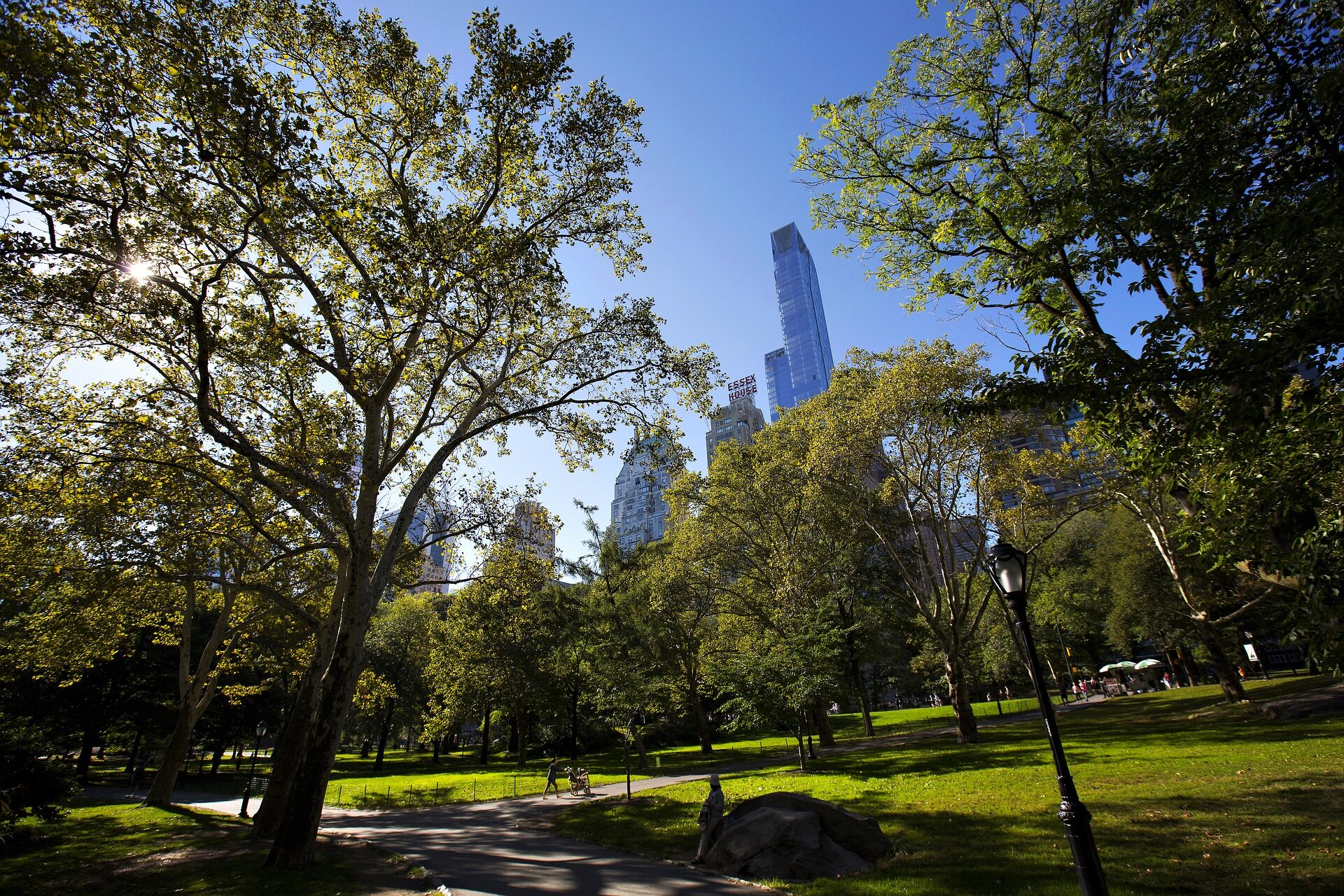
Just five minutes of exercise in a "green space" such as a park can boost mental health, researchers claim.
There is growing evidence that combining activities such as walking with nature boosts well-being. In the latest analysis, UK researchers looked at evidence from 1,250 people in 10 studies and found fast improvements in mood and self-esteem.
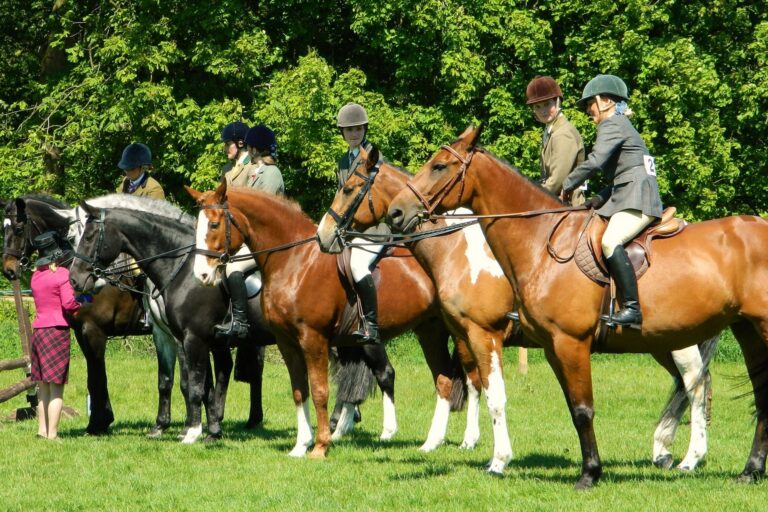
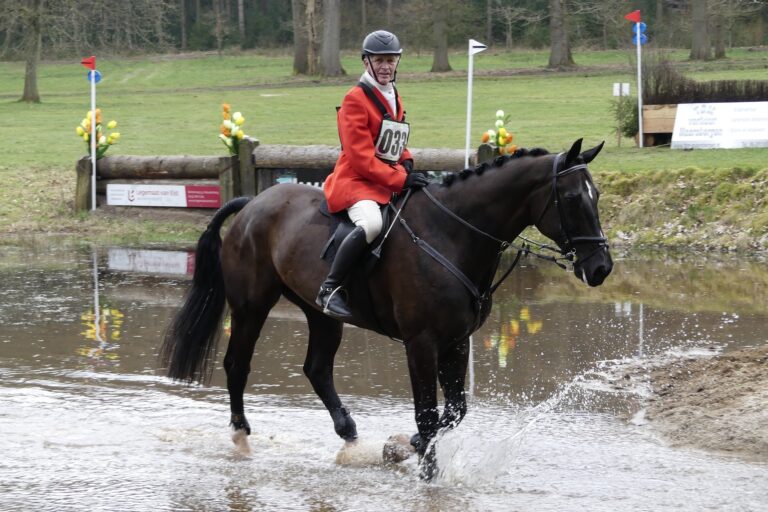
The research looked at many different outdoor activities including walking, gardening,and horse-riding and in locations such as a park, garden or nature trail.
The biggest effect was seen within just five minutes.
With longer periods of time exercising in a green environment, the positive effects were clearly apparent but were of a smaller magnitude, the study found. Participants were found to be significantly less angry, depressed, confused and tense after engaging in the activities and all their self-esteem levels significantly improved.
Green and blue
Every green environment improved both self-esteem and mood; the presence of water - such as a lake or river - generated greater effects
Study leader Jules Pretty, a researcher at the University of Essex, said those who were generally inactive, or stressed, or with mental health problems would probably benefit the most from "green exercise".
Essex County Council launched the Essex Rights of Way Improvement Plan (RoWIP) on 31st July 2009.
The RoWIP assesses whether the existing rights of way network (footpaths, bridleways and by-ways) meets the present and future needs of the population of Essex, including specifically the ability of blind and partially sighted people and those with mobility problems to use rights of way. Also it looks at the opportunities for open air recreation and enjoyment provided by rights of way.
Essex County Council will use the RoWIP to identify changes to be made to the network - both in the way rights of way are managed and maintained, and improvements to the network - in order to improve provision for walkers, cyclists, horse riders and people with mobility problems.
As part of its research for this, Essex County Council surveyed many thousands of households and interviewed interested groups. They concluded that the greatest priority for rights of way was better maintenance (including cutting back overgrown vegetation, clearing dog mess and litter, and improving or replacing unsafe stiles), followed by clamping down of the illegal use of motor bikes and other motorized vehicles.
Other priorities include better signage and reducing fragmentation of the network.
To read the full report click Essex PROW Improvement Plan ![]()
26th March 2010
This site is now featured on the Ordnance Survey OpenSpace application developer's Gallery.
28th January 2010
Web site development began in mid-August 2009, and is still very much a work-in-progess.
A large backlog of our favorite walks remains to be uploaded.
Now that the snow has melted, more walks are planned.
25 March 2010
Representatives of the key national interests in public rights of way united today in delivering a ground-breaking set of recommendations to Government designed to improve the law and procedures concerning old public rights of way.
The Group's report - Stepping Forward - is a blueprint for wide-ranging change that would deliver real benefits for the general public, landowners, farmers and local authorities alike.
Old rights of way have long been one of the most difficult areas of access legislation. At present, many old rights of way such as footpaths and bridleways are not recorded on the official 'definitive map' held by county councils. The result is a lack of clarity for the public about which routes they can use, plus periodic concerns for landowners when claims to record such routes suddenly arise.
To look for solutions, Natural England - with the approval of government - convened a special working group at the end of 2008, with balanced representation from the main interest groups in public rights of way. The result is today's report which has achieved unexpected consensus among all of the Group's 15 members.
Squarely in the Group's sights is the bureaucracy of the existing procedures for recording pre-1949 rights of way. The Group identifies a range of ways to make the procedures simpler, quicker, more flexible, and more cost effective. It also suggests measures to make them less adversarial and more constructive, with new scope for authorities to agree practical solutions with occupiers where old routes conflict with modern land use.
The Group has also recommended retaining the 2026 cut-off date contained in current legislation whereby pre-1949 routes that have not been recorded by 2026 will be extinguished. Fixing a date will deliver greater certainty in the future about where public rights exist, while the Group's detailed recommendations will help ensure that the process to record or otherwise protect useful or potentially useful routes can be completed ahead of the 2026 deadline.
Natural England has forwarded the Group's 32 unanimous recommendations to Government, which will now consider its findings.
Poul Christensen, Chair of Natural England, said: "Rights of way are a vital means by which people can enjoy our beautiful countryside and engage with nature, farming and their local heritage. Through this remarkable consensus, the Group has shown how these benefits can be secured for future generations while removing much of the uncertainty, bureaucracy and cost currently involved in the recording process – and promoting practical solutions to potential conflicts. The Group's Stepping Forward report is a triumph of pragmatism, fairness and commonsense and we commend it to Government unreservedly"
Copies of the Stepping Forward report can be downloaded via the Natural England website at http://naturalengland.etraderstores.com/NaturalEnglandShop/NECR035
For further information about Natural England please visit: www.naturalengland.org.uk
08 February 2010

BBC2 - Essex Wildlife on Wednesday 10th February 2010 at 8.00pm
This looks promising! One of the new Essex RSPB Conservation areas - Rainham Marshes- is covered in this BBC2 programme, which is a coincidence because Essex Walks plans to feature this site for a new walk route for the spring.
Multi-award-winning writer Robert Macfarlane sets out on a journey to explore the unexpected landscapes and natural history of Essex, revealing that there is far more to the county than the stereotypes of white stilettos and boy racers.
Macfarlane spends a year travelling the county's strange and elemental landscapes of heavy industry, desolate beaches and wild woods. He encounters massive knot flocks over the Thames, peregrine falcons at Tilbury Power Station, water voles within sniffing distance of the municipal dump,
deer rutting in earshot of the M25, barn owls, badgers and bluebells in Billericay as well as a large colony of common seals.
Link: The Wild Places of Essex- BBC Website
26 August 2009

The NFU and The Ramblers are urging people to enjoy the countryside, but to enjoy it safely, and have provided new signs and advice for walkers with dogs strolling near cattle.
Walkers will see the new yellow and black signs reminding them that dogs can harm or scare farm animals. The signs give a clear reminder to those using public footpaths to keep dogs on leads but - importantly - to let them go if they're being chased or feel threatened by cattle.
NFU Deputy President Meurig Raymond said: 'Farmers take care before placing livestock into fields, particularly those with a footpath, but equally the public should also be aware and must know what to do if cattle approach them. That is why we support the advice of the Ramblers for walkers with dogs. However we must not forget that the countryside is where farmers earn their living and that is where cattle and sheep will be grazed.'
Tom Franklin, CEO of the Ramblers, said: 'The British countryside is working land where animals graze in close proximity to walkers, which is why it's such a pleasure to walk in. As with any working environment there are certain risks and it is untenable to remove all those risks from our surroundings.
'Incidents of people being attacked by cattle are few and far between, thankfully, and it would be counter to the interest of people who walk and farmers alike to see cattle closed off behind fences in fields. We urge people who walk not to let the very low risk of cattle attacks put them off enjoying the countryside when it is at its loveliest.'
There is also some simple advice that walkers can follow to minimise the risk of an accident happening:
Do
Don't